Walmart Food Recall List 2026 (Latest FDA Alerts)
As of September 2026, several recalls affect food sold at Walmart. The most recent is the Marketside Tomato Bisque Soup Kit, recalled August 13 over possible Listeria, followed by Bettergoods Pistachio Nut Butter (possible Salmonella, August 3) and a wave of salsa, dip, and salad recalls tied to a multistate Salmonella jalapeño outbreak.
Earlier in the summer, Taylor Farms recalled Marketside iceberg lettuce sold at Walmart over Cyclospora, and MorningStar Farms pulled two frozen items over possible plastic pieces. This list tracks the food recalls, not home products, which live on the main Walmart recalls tracker.
Walmart pulls recalled items from shelves fast, but most shoppers don’t know how to check if their product is affected, or how to get a refund without a receipt.
Last updated: September 2026. Recalls change often, so confirm any item on the official FDA or USDA notice before acting.
Key Points
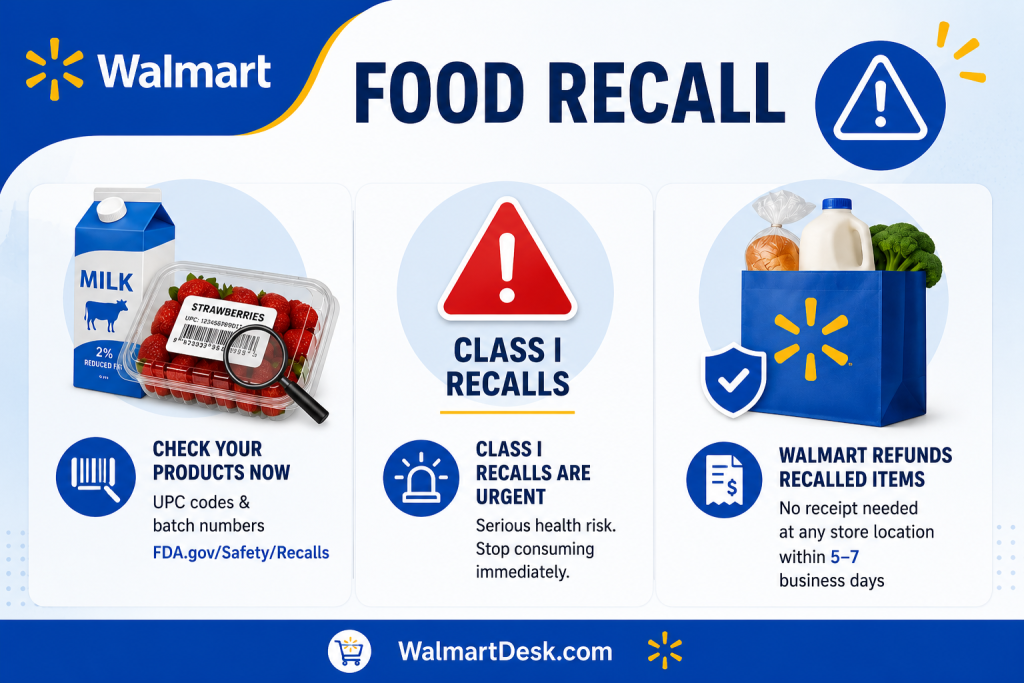
- Check your products now using UPC codes and batch numbers to verify recalls on FDA.gov/Safety/Recalls
- Class I recalls are urgent. These pose serious health risks, stop consuming immediately if you own one
- Walmart usually refunds recalled food at the service desk, often without a receipt; a refund to a card can take a few business days to post
Verify Products by UPC Code
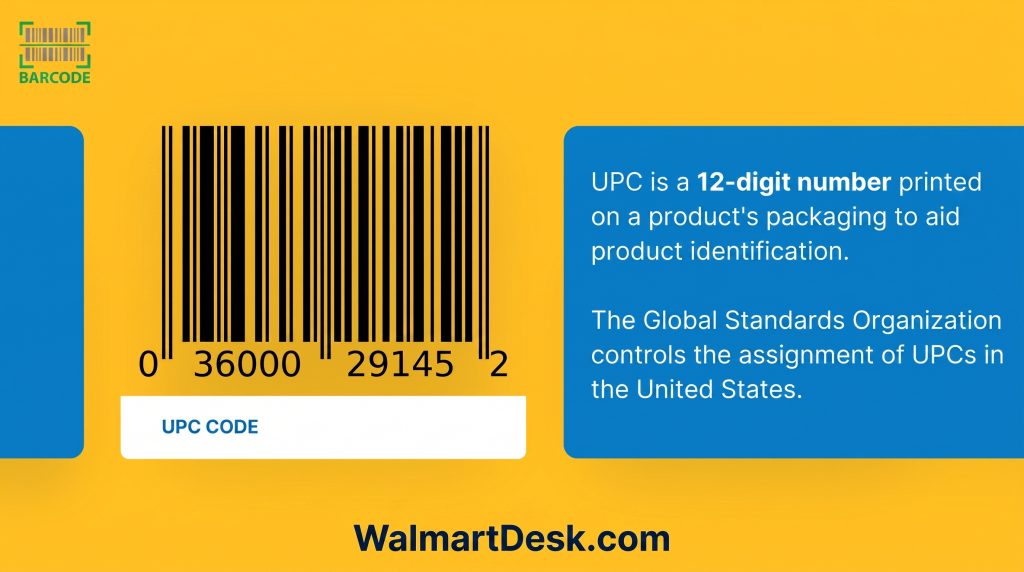
Find the 12-digit UPC barcode on the back or side of your product. Go to FDA.gov/Safety/Recalls and search by product name or UPC to check against active 2026 recalls.
Next, check the batch or lot code printed near the expiration date. Compare it to the batch range listed in the recall notice. This tells you if your exact item is part of the recall.
Take a photo of the product, the UPC, the batch number, and your receipt if you have one. You’ll need these for a Walmart refund or if you want to report it to the FDA.
Batch Numbers Determine Recall Status
Recalls usually affect only certain batches, not every product on the shelf.
Batch codes show up as “Lot,” “Batch,” “Code,” or “Production Date” on the package. The format changes by brand, for example “L2026062201” might mean it was made on June 22, 2026.
Recall notices list a batch range, like “Lot codes between 2026060001-2026062501.” Your product is only recalled if its code falls inside that range.
If you’re not sure about the batch code, call the manufacturer using the number on the package, or contact Walmart customer service instead of guessing.
Understand FDA Recall Severity Tiers
The FDA sorts recall into three levels.
| Classification | Health Risk | Your Action |
|---|---|---|
| Class I | Serious: allergens, Listeria, E. coli | Stop eating immediately, dispose safely, seek medical help if needed |
| Class II | Moderate: minor contamination | Watch for symptoms, use caution |
| Class III | Low: packaging or labeling issues | Removed from sale, unlikely to cause harm |
Immediate Action for Class I Recalls
Class I recalls mean serious health risks. If you have one of these products
- Stop eating it right away
- Throw it out in a sealed bag
- Don’t take it back to the store if there’s an active health risk, call Walmart customer service to report it instead.
Important
If you’ve already eaten the product and feel sick, like an allergic reaction, stomach problems, or anything unusual, see a doctor. You can also report it to the FDA online at FDA.gov/MedWatch or by calling 1-800-FDA-1088 to help track the problem.
Class I recalls often involve things like undeclared allergens (peanuts, tree nuts, shellfish, sesame, soy, dairy), harmful bacteria (Listeria, E. coli, Salmonella), or foreign objects like glass or metal.
Get Refunds for Recalled Products
Walmart lets you return recalled food items even without a receipt. This is different from their normal return rules.
In-store returns
Bring the product packaging with the UPC and batch code, along with a screenshot of the recall notice from FDA or the manufacturer’s website. A refund in cash or to your original payment method is usually handled at the service desk on the spot, though a refund back to a card can take a few business days to post.
Online or Walmart.com purchases
Contact Walmart customer service at 1-800-WALMART or through the app chat, with your order number and a photo of the product. Return shipping is free for recalled items.
Sam’s Club purchases
Sam’s Club is a separate company from Walmart with its own returns desk. If you bought the recalled item at Sam’s Club, take it back to Sam’s Club, not Walmart. A recalled item bought at Walmart goes back to Walmart. The stores don’t cross-honor each other’s returns.
Returning Recalled Items Without a Receipt
Walmart’s usual 90-day return window generally doesn’t apply to recalled products. Safety comes first here.
You usually don’t need a receipt. Customer service checks if your product is recalled by matching the UPC and batch code to the active recall list. Just bring the product packaging with the barcode and batch code visible, plus a screenshot of the recall notice. Final approval is up to the service desk, so it can vary by store.
You can usually choose a full refund to your original payment method, store credit, or a replacement product. Cash and store-credit refunds are typically same-day, while a refund to a card follows the normal Walmart refund timeline and can take a few business days.
Active Walmart Recalls
These are the most recent recalls tied to food sold at Walmart, as of August 2026, newest first. Match your UPC and lot code to the official notice before you act, since most recalls cover specific lots, not the whole product line.
Marketside Tomato Bisque Soup Kit (August 13, 2026)
Kettle Cuisine recalled the 14 oz Marketside Tomato Bisque Soup Kit sold at Walmart in nearly 30 states over possible Listeria contamination. The affected kit carries UPC 194346474004 and a Use By date of August 22, 2026.
Don’t eat it. Throw it away or return it to Walmart for a refund, and clean any surfaces it touched. See a doctor if you feel sick.
Bettergoods Pistachio Nut Butter (August 3, 2026)
Botticelli Foods recalled one lot of Bettergoods Pistachio Nut Butter, sold in 6.7 oz jars exclusively at Walmart, over possible Salmonella. Walmart started the recall after a Florida state inspection found Salmonella in tested jars. Check the lot on the recall notice, and return an affected jar for a refund.
Jalapeño-Linked Salsa, Dip, and Salad Recalls (August 2026)
A multistate Salmonella outbreak tied to fresh jalapeños from Mexico has triggered a wave of downstream recalls of dips, salsas, guacamole, and prepared salads at Walmart and other chains. Because the jalapeños were an ingredient, the affected brands keep expanding, so check the brand and Best By date on each recall notice before eating anything with jalapeño.
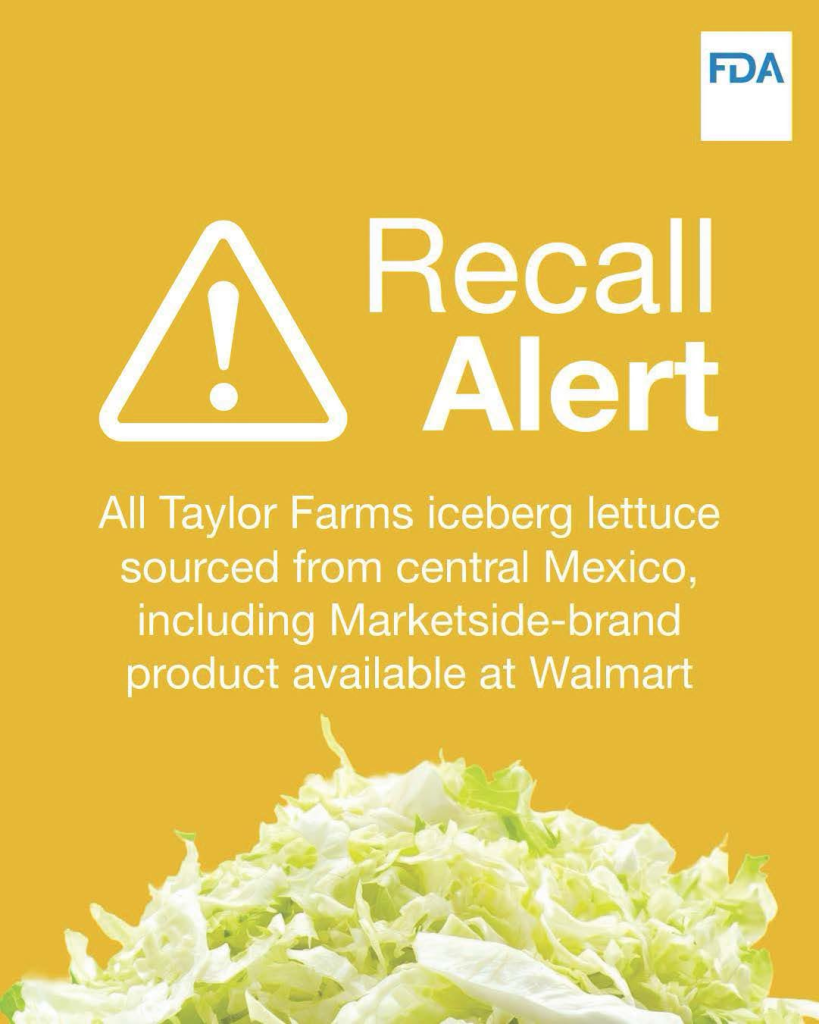
Taylor Farms Iceberg Lettuce (July 17, 2026)
Taylor Farms de Mexico recalled iceberg lettuce from central Mexico due to possible Cyclospora contamination, tied to a large summer outbreak.
At retail it covered Marketside-brand Iceberg Salad (12 oz and 24 oz) and Shredded Lettuce (8 oz and 16 oz) with Best if Used By dates of July 18 to August 3, 2026. Those dates have now passed, so the product should be gone from shelves, but check your fridge if you rarely clear it out.
Throw it away if you still have it, don’t eat it, and get a full refund where you bought it. See a doctor if you feel sick.
MorningStar Farms Plant-Based Products (June 18, 2026)
MorningStar Farms Buffalo Chik’n Nuggets (10.5 oz) and Hot & Spicy Sausage Patties (8 oz) were recalled over the possible presence of plastic pieces, a choking and injury hazard. The nuggets carry UPC 00028989101105 and the patties UPC 00028989100948. Check the exact codes against the FDA notice, and discard or return an affected bag.
Ballester Hermanos Pearl Milling Pancake & Waffle Mix (June 5, 2026)
Recalled due to undeclared milk and soy. The label said, “may contain milk and soy” instead of “contains milk and soy,” which is risky for anyone with an allergy to these ingredients.
Sold at select Walmart stores in Puerto Rico since January 2026. Check your pantry, don’t eat it if you have it, and return it to where you bought it.
Note
Walmart’s corporate recalls page links out to the manufacturer and FDA notices, but it isn’t a searchable real-time database. FDA.gov/Safety/Recalls is the best source for the latest food recall updates.
Great Value Private Label Recall Trends
Great Value products do show up in recalls, usually filed under the supplier’s name rather than Walmart’s. Great Value Organic Black Chia Seeds were recalled over possible Salmonella in 2026 through the supplier, Natural Sourcing International, and in August 2025 Great Value frozen shrimp were pulled over possible Cesium-137 contamination through the seafood supplier.
That filing pattern doesn’t mean private label is less safe than name brands. Great Value products are made to the same standards, so if one gets recalled, follow the same steps for checking and getting a refund as you would with any other brand.
Report Food Safety Problems to FDA
SafetyReporting.HHS.gov is the official FDA reporting site for consumers. You can report food contamination, health problems, or labeling issues here.
- Go to the site
- Select “Food and Dietary Supplements,”
- Fill in the product name, brand, UPC, batch code, purchase date, and a description of the issue. Add your contact info and submit.
- It takes about 5-10 minutes, and you can stay anonymous if you want.
Report Health Impacts via MedWatch
MedWatch is the FDA’s system for reporting health problems.
Use this if you ate a recalled product and got sick or had an allergic reaction, including things like swelling, trouble breathing, vomiting, diarrhea, neurological symptoms, hospitalization, or death.
Report through the FDA.gov/MedWatch online form or by calling 1-800-FDA-1088. For a food-specific complaint, you can also call the FDA food line at 1-888-SAFEFOOD. Include the product details, batch code, date you ate it, your symptoms, and what happened medically.
Stay Updated on Future Recalls
✦ Go to FDA.gov/NewsAndEvents and subscribe to “Recalls, Market Withdrawals & Safety Alerts” for notifications within hours of an announcement.
✦ For meat and poultry recalls, subscribe to the USDA FSIS email list at FSIS.USDA.gov.
✦ Many states, like Texas DSHS and California CDPH, offer recall alerts by email or text. Worth signing up if you live in a state with a lot of food production.
✦ FDA.gov/Safety/Recalls has an RSS feed for real-time updates. Add it to a reader like Feedly or Inoreader.
Undeclared Allergen Recalls
Allergen recalls are Class I because even a tiny trace can trigger a serious reaction. The most common allergens in recalls are peanuts, tree nuts, dairy, soy, shellfish, sesame, and eggs.
Cross-contamination usually happens when an ingredient isn’t listed on the label, machines are shared between products, a supplier’s ingredient gets contaminated, or there’s a labeling mistake.
People most at risk include anyone with a food allergy or multiple food sensitivities.
★ If you have a severe allergy, it’s smart to check a brand’s manufacturing practices before buying and look for brands that use dedicated allergen-free facilities.
Root Cause of Recalls
Most recalls fall into one of four categories.
Manufacturing defect
A machine breaks down, temperature control fails, or something goes wrong during production. For example, if pasteurization doesn’t reach a high enough temperature, harmful bacteria can survive.
Supplier contamination
A raw ingredient comes in already contaminated, and the manufacturer doesn’t catch it before processing. For example, produce contaminated with E. coli slips through.
Labeling error
A required warning, like an allergen, gets left off the label by mistake. For example, peanut oil is in the product but missing from the ingredient list due to a printing error.
Storage or transportation issue
A product is stored or shipped at the wrong temperature or in bad conditions, letting it spoil or grow bacteria. For example, a frozen item thaws during shipping and Listeria starts to grow.