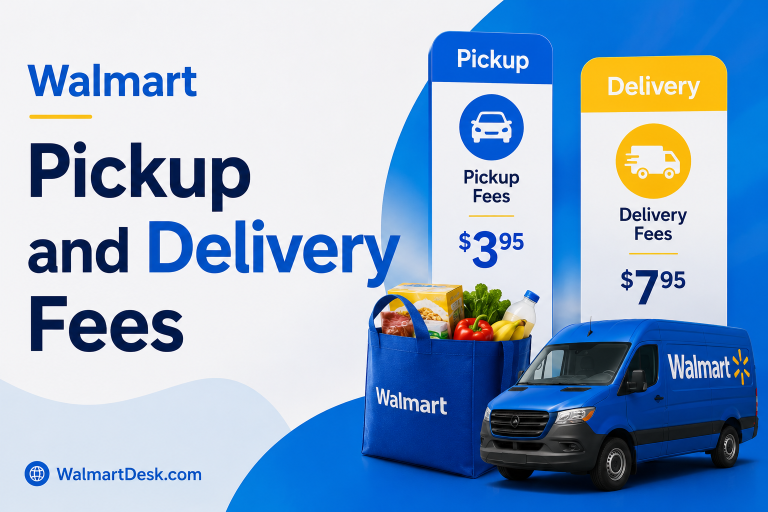

Is Walmart+ Worth It in 2026? Honest Pros and Cons
Walmart+ has grown into a serious competitor in the membership subscription space since its launch in 2020.
With inflation pushing budgets tighter and subscription fatigue becoming real, it makes sense to ask if Walmart+ is actually worth your money in 2026.
I’ve broken down the current benefits, limitations, and real value so you can decide if this membership makes sense for your household.
Key Highlights
- Walmart+ costs $98 per year or $12.98 monthly and includes free delivery, fuel discounts, and scanning features that can pay for themselves quickly.
- The membership works best for shoppers who already buy groceries at Walmart and use the delivery service regularly.
- It falls short if you rarely shop online, prefer other retailers, or live far from a Walmart distribution center.
What You Actually Get With Walmart+
Walmart+ membership includes several core benefits that make up its appeal.
✦ The main draw is free delivery on eligible items from your local Walmart store, with no minimum purchase required. This applies to groceries, household goods, and general merchandise shipped to your home.
✦ You also get fuel discounts at Walmart and Murphy USA gas stations. Most members save 5 to 10 cents per gallon, which adds up if you fill up regularly.
✦ The Scan & Go feature lets you scan items as you shop using the Walmart app, then skip the checkout line entirely, which saves real time during busy shopping trips.
✦ Additional perks include early access to online deals, discounts on health services like eye exams and prescriptions, and access to Paramount+ at no extra cost.
The Paramount+ add-on alone costs $5.99 monthly as a standalone subscription, so if you watch content, that benefit has tangible value.

The Cost Breakdown
At $98 per year or $12.98 per month, Walmart+ sits in the middle of the membership landscape.
Amazon Prime costs $139 annually for comparison, while Costco membership ranges from $60 to $130 depending on tier. The question is whether Walmart’s offerings deliver enough value to justify the expense.
For someone who shops at Walmart regularly and uses delivery weekly, the math works out quickly. If you save $3 per delivery trip in gas, time, and convenience, you break even after 33 deliveries. Most busy households hit that number in under two months.
The fuel discount alone can save $60 to $120 per year for someone who fills up every week. Tack that on top of delivery savings, and the membership pays for itself without much effort. However, if you shop in-store only or rarely use delivery, the value disappears fast.
Delivery Speed and Coverage
Walmart+ offers same-day delivery on most items in eligible areas, which is faster than standard options at many competitors. However, the actual speed depends heavily on your location.
People in major metros and suburban areas with nearby distribution centers see excellent service. Rural customers often find limited eligibility or longer wait times.
Note
I recommend checking your address on the Walmart website before subscribing. Enter your zip code in the delivery section to see what’s available in your area. Some regions offer 2-hour delivery windows, while others only guarantee next-day service. Coverage has expanded since 2024, but gaps still exist in less populated areas.
The no-minimum delivery policy is genuinely useful. You can order two items for $15 and get free delivery, which beats most competitors who require $35 or higher orders.
Comparing Walmart+ to Amazon Prime
Amazon Prime is better for general merchandise, faster shipping, and streaming through Prime Video. Walmart+ has the edge when it comes to groceries, household essentials, and everyday delivery convenience.
Many households use both, with Walmart+ handling grocery runs and Prime covering everything else. Using both costs around $211 annually but serves different shopping needs effectively.
Real-World Limitations You Should Know
Walmart+ isn’t perfect, and several limitations matter before you commit.
- First, the membership only covers Walmart stores and Sam’s Club locations. If you prefer Target, Kroger, or other chains, this benefit doesn’t help.
- Second, delivery eligibility varies by zip code. You might join only to find limited delivery options in your area.
- The Scan & Go feature works well in most stores, but some locations still have technical issues or inconsistent implementation. If your local Walmart doesn’t have full app support, this perk loses value.
- Additionally, not all items qualify for same-day delivery. Heavy or bulky items often take longer.
- Paramount+ access is included, but if you don’t watch streaming content, that adds nothing to your membership value.
- The health service discounts are modest and require extra effort to use properly.
Who Should Actually Buy Walmart+
Walmart+ makes the most sense for people who hit specific criteria.
If you shop at Walmart regularly, live in a delivery-eligible area, and use online ordering at least twice monthly, the membership likely pays for itself. Busy professionals who value time savings often see immediate benefit from delivery and Scan & Go features.
Families with tight budgets can use fuel discounts strategically. If you fill up weekly, that discount covers roughly 40 percent of the annual membership cost on its own. Add regular grocery delivery, and the value compounds.
Parents juggling multiple responsibilities find the most value here. Skipping store trips saves hours each month, and having groceries delivered frees up time for other priorities. The Paramount+ inclusion sweetens the deal if your family watches show.
Hidden Costs and Fine Print
The advertised membership price is straightforward, but a few hidden costs exist.
★ Delivery fees still apply to certain items like alcohol in some states, despite having an active membership.
★ Premium services like pharmacy rush delivery or expedited handling cost extra. These aren’t scams, but they’re worth knowing upfront.
★ Some Walmart+ members report that certain products show higher prices online than in-store, though this applies across retailers generally. You might save on delivery but pay slightly more for individual items. Always compare prices between app and in-store pricing before checking out.
★ The auto-renewal policy requires active management. Many people forget to cancel if their needs change, and the charge rolls over silently. Set a calendar reminder to review your membership every year.
Recent Updates and 2026 Changes
Walmart has continuously expanded Walmart+ benefits to stay competitive. Recent additions include expanded health services, improved app functionality, and broader geographic coverage.
The company has also integrated more convenience items and fresh grocery options into the delivery program.
As of 2026, delivery coverage has extended to more rural areas than in previous years, though significant gaps remain. The Scan & Go feature now works at more locations with better reliability. Walmart is also testing new features like curbside pickup integration and loyalty rewards stacking.
Walmart typically announces major updates in the spring, so reviewing your membership then makes sense.
How to Test Walmart+ Before Committing
Walmart periodically offers free trial periods of 15 to 30 days, which is a great way to test the service before committing.
During your trial, make sure to:
- Place at least three orders to get a real sense of delivery speed and selection
- Try Scan & Go on a regular shopping trip
- Check fuel prices at nearby Murphy USA stations
Real world testing like this gives you a much better idea than reading reviews online.
Quick Tip
If the trial works for you, convert to a paid membership. If not, you have lost nothing.le, you can convert to paid status. If not, you’ve lost nothing but a few minutes setting up an account.
Alternatives Worth Considering
- Amazon Prime is the go to alternative for general merchandise and fast delivery.
- Costco offers better bulk pricing and gas discounts but requires a higher upfront membership cost.
- Sam’s Club, which is owned by Walmart, offers similar perks at different price points.
- Target Circle+ provides free delivery with a narrower product selection, while Instacart works with multiple stores but costs more without a membership.
The best choice really comes down to your shopping habits. Walmart+ works best for groceries and essentials, while Prime is hard to beat if you buy a wide variety of products regularly.
Making Your Final Decision
Deciding whether Walmart+ is worth it comes down to three questions.
➤ First, do you shop at Walmart regularly and live in a delivery-eligible area? If yes, the membership likely pays for itself.
➤ Second, do you use delivery at least twice monthly? This frequency makes the benefits meaningful.
➤ Third, do the additional perks like fuel discounts and Paramount+ appeal to you?
If you answered yes to all three, Walmart+ is probably a smart investment.
If you answered no to two or more, the membership probably won’t save you money or time. Honest self-assessment beats marketing promises every time.
Run the numbers for your household. Track how much you’d spend on delivery fees without membership over a year. Calculate fuel savings based on your actual fill-up frequency. Add the Paramount+ value if applicable. If the total exceeds $98, subscribe. If it falls short, pass.