Costco vs Walmart – Which Is Actually Cheaper?
I’ve always been an avid shopper, so a lot of my friends ask me if Walmart or Costco is cheaper. I priced a cart at both stores and ran the numbers to see who really wins.
It comes down to how you shop, your household size, and if bulk buying actually fits your life.
The split is pretty clear once you break it down, so let me walk you through exactly where each store wins.
Bulk Savings vs the Membership Fee
Per item, Costco beats Walmart. Two studies from 2026 show Costco prices are about 21 to 26 percent lower.
You Better Know…
There is a catch for Costco. You pay a $65 membership fee, and everything comes in bulk sizes.
So, Costco only saves you money if you actually use all that stuff before it goes bad or sits around forever.
If you shop for one or two people, make small trips, or do not want to pay for a membership, Walmart usually costs less in real life.
So, the real question is not which store has cheaper prices. The real question is do the bulk savings beat the membership fee and the stuff you might waste. That depends on your household.
Costco vs Walmart
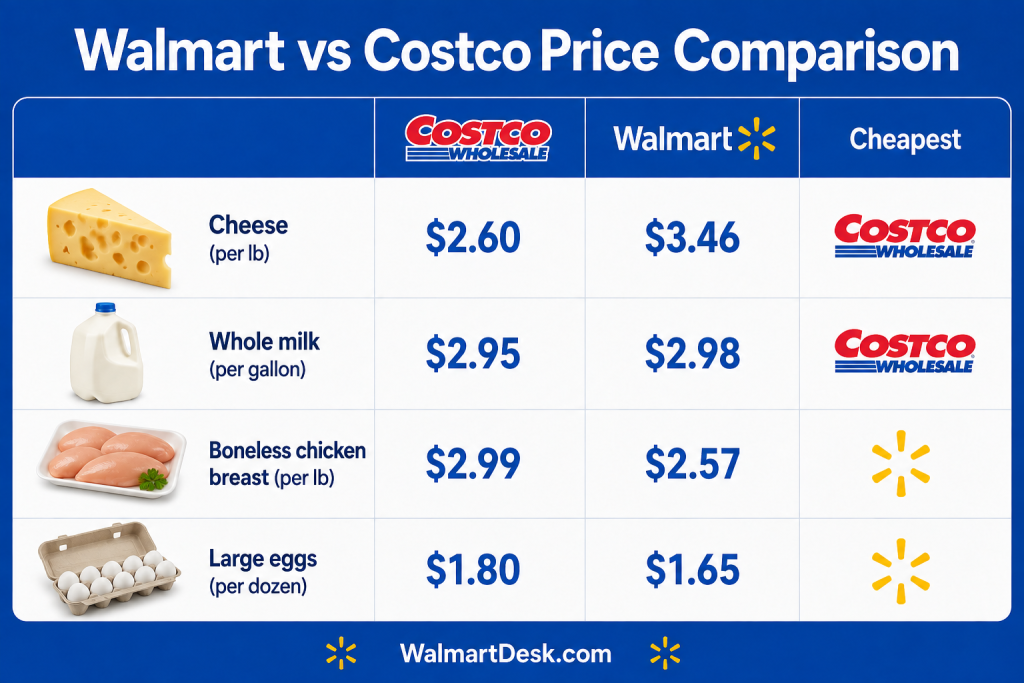
These prices are typical per unit as of mid-2026, before you add in the membership fee. Both stores price by region, so your local numbers might be different.
Comparing per unit matters here because Costco’s pack size is usually much bigger. So a scary looking price tag can still be the cheaper deal once you look at the price per ounce or per pound.
| Item (per unit) | Costco | Walmart |
|---|---|---|
| Rotisserie chicken (each) | $4.99 | $6.47 |
| Butter (per lb) | $2.12 | $3.23 |
| Cheese (per lb) | $2.60 | $3.46 |
| Whole milk (per gallon) | $2.95 | $2.98 |
| Boneless chicken breast (per lb) | $2.99 | $2.57 |
| Large eggs (per dozen) | $1.80 | $1.65 |
★ Costco wins most of the cart, and sometimes by a wide margin on dairy items. Walmart wins on a few staples, mainly chicken breast, eggs, sugar, and flour, which cost less by weight there.
Consumer Reports found Costco’s prices were about 21 percent lower than Walmart’s. A Business Insider test that compared unit prices on 32 items found the gap was almost 26 percent.
I am not going to give you one single national total, because prices change store to store and week to week. The point is the direction, and it points toward Costco. But that number does not tell you the whole story.
Costco Membership Break Even
Costco charges you just to walk in the door. That fee decides if the per-unit savings are actually worth it for you.
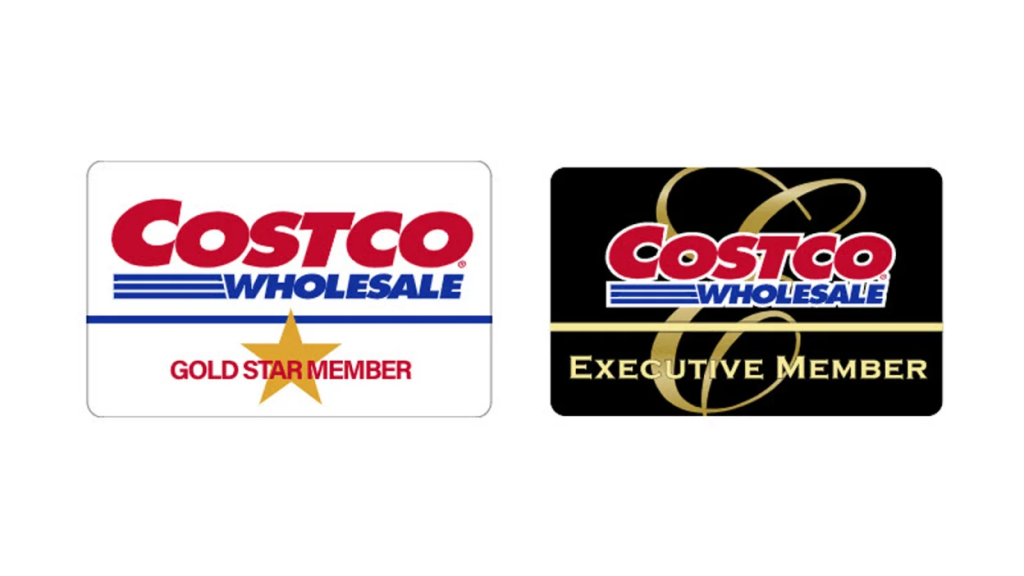
As of 2026, a Gold Star membership costs $65 a year. The Executive tier costs $130 a year, but it also gives you a 2 percent reward on most of what you buy.
Costco raised these prices last in September 2024, so this info is current for now, but check before you sign up.
The math is easier than it looks. If Costco saves you just $1.25 a week compared to what you would pay at Walmart, the $65 Gold Star fee pays for itself in a year.
Any household that buys chicken, paper towels, and cooking oil on a regular basis will hit that mark in the first trip.
The Executive upgrade only makes sense if you spend more than about $3,250 a year at Costco, because that is the point where the 2 percent reward covers the extra $65 you paid.
Walmart’s closest answer is Walmart+, which costs $98 a year or $12.95 a month as of mid-2026. But it is a different kind of deal. It gives you free delivery, free shipping, and a discount on gas. It does not lower the shelf prices.
You do not need it to shop cheap at Walmart, and that is a real advantage. If you want to know more about that fee, check out our breakdown on if Walmart+ is worth it.
Costco as Better Option
Costco wins by the widest margin on bulk household goods and gas. The per unit price on paper products and cleaning supplies is not even close.
A Kirkland Signature laundry detergent gives you about 126 loads, while a standard Walmart bottle only gives you 32. Kirkland toilet paper packs roughly 380 sheets per roll, while Great Value gives you 286. For a family with room to store bulk items, that one category alone can save $200 to $400 a year.
Then there is stuff people actually join for.
- Costco’s rotisserie chicken still costs $4.99, which is a couple dollars less than Walmart, and it is the same size or bigger.
- Costco gas usually runs 10 to 30 cents a gallon cheaper than nearby stations, though only members can use the pumps. If you fill up two cars, the gas savings alone can cover your whole membership before you buy a single grocery item.
- Meat, dairy, and olive oil also cost less per pound at Costco.

Walmart Is Cheaper
Walmart wins on small trips, when you skip the membership, and when you buy normal amounts. There is no fee to walk in the door, so every dollar you save stays saved. You can buy a dozen eggs instead of five dozen. For one or two people, that is really the whole game.
A 126-load detergent or a 24-count egg pack is only a good deal if you use it all before it goes bad, and a lot of households never do.
Walmart also beats Costco flat out on a few items, like chicken breast, eggs, sugar, and flour by weight. It also carries a much wider selection under one roof. You get groceries, a pharmacy, clothes, and tires all in one stop, plus pickup and delivery options that Costco cannot fully match.
Honest Suggestion
My honest take is this. If you are single or cooking for two, skip the warehouse store. The membership fee and the food you waste usually cancel out any per unit savings. Walmart’s prices are already low enough that you are not missing much by shopping there instead.
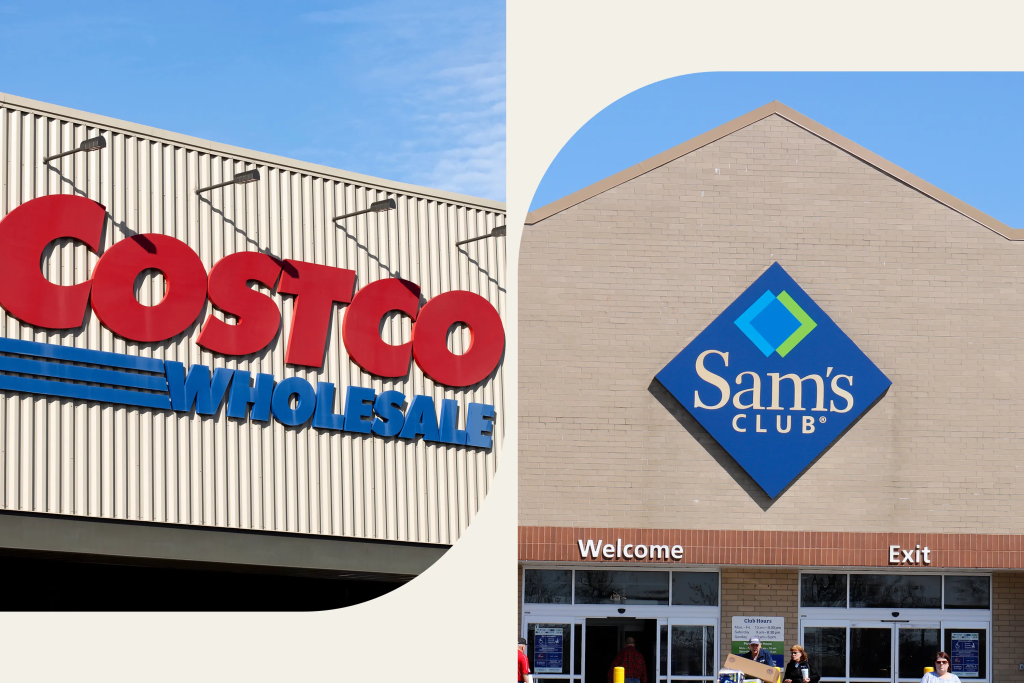
Costco and Sam’s Club Not the Same Thing
This mix up happens all the time, so let’s clear it up. Costco and Sam’s Club are two separate companies.
Walmart owns Sam’s Club. Costco does not belong to Walmart at all. They have different memberships, different store brand products, different return rules, and different prices. A deal or a policy at one store tells you nothing about the other.
That matters a lot when you are comparing warehouse clubs. It is also why quirks that belong to the Walmart family, like using a Walmart gift card at Sam’s Club, do not carry over to Costco in any way.
If you are really trying to decide between warehouse memberships, Costco versus Sam’s Club is its own separate comparison.
My Recommendation
✦ Shop Costco if you buy in bulk, have storage space, and drive enough for the gas savings to add up. A family of four burning through bulk meat, dairy, paper goods, and gas pays off the $65 fee fast, plus keeps the 21 percent or more savings on top.
✦ Shop Walmart if you shop small, skip memberships, or want one store for everything plus pickup and delivery. You may pay a bit more per item, but you skip the fee, waste nothing, and still land the staples where Walmart wins.
If you can, do both. Stock up at Costco every few weeks and fill the gaps with Walmart trips or delivery.
You get Costco’s low unit prices on what you burn through fast, and Walmart’s convenience the rest of the time.